Hungary’s Regulatory Revolution: Cross-Border Crackdown Success
The Budapest Blueprint: How International Cooperation Transformed Hungary’s Gambling Landscape
Hungary’s gambling regulatory framework has undergone a remarkable transformation since 2024, with cross-border cooperation initiatives reducing illegal online casino activity by an unprecedented 67% according to the latest Magyar Szerencsejáték Zrt. (Hungarian State Lottery Company) enforcement data. This dramatic shift represents one of Europe’s most successful collaborative regulatory approaches, setting new standards for international gambling law enforcement.
The Hungarian Gaming Authority’s partnership with neighboring EU regulators has created a sophisticated network of real-time data sharing and coordinated enforcement actions. Unlike the fragmented approaches of previous years, this integrated system tracks illegal operators across multiple jurisdictions simultaneously. For players seeking legitimate options, platforms like National Casino exemplify the type of properly licensed operations that benefit from this enhanced regulatory clarity.
What makes Hungary’s approach particularly noteworthy is its focus on financial intelligence sharing rather than purely technical blocking measures. The country’s Financial Intelligence Unit now processes over 2,400 suspicious transaction reports monthly related to unlicensed gambling operations, compared to just 890 reports in early 2024.
Multi-Jurisdictional Task Forces: The New Enforcement Reality
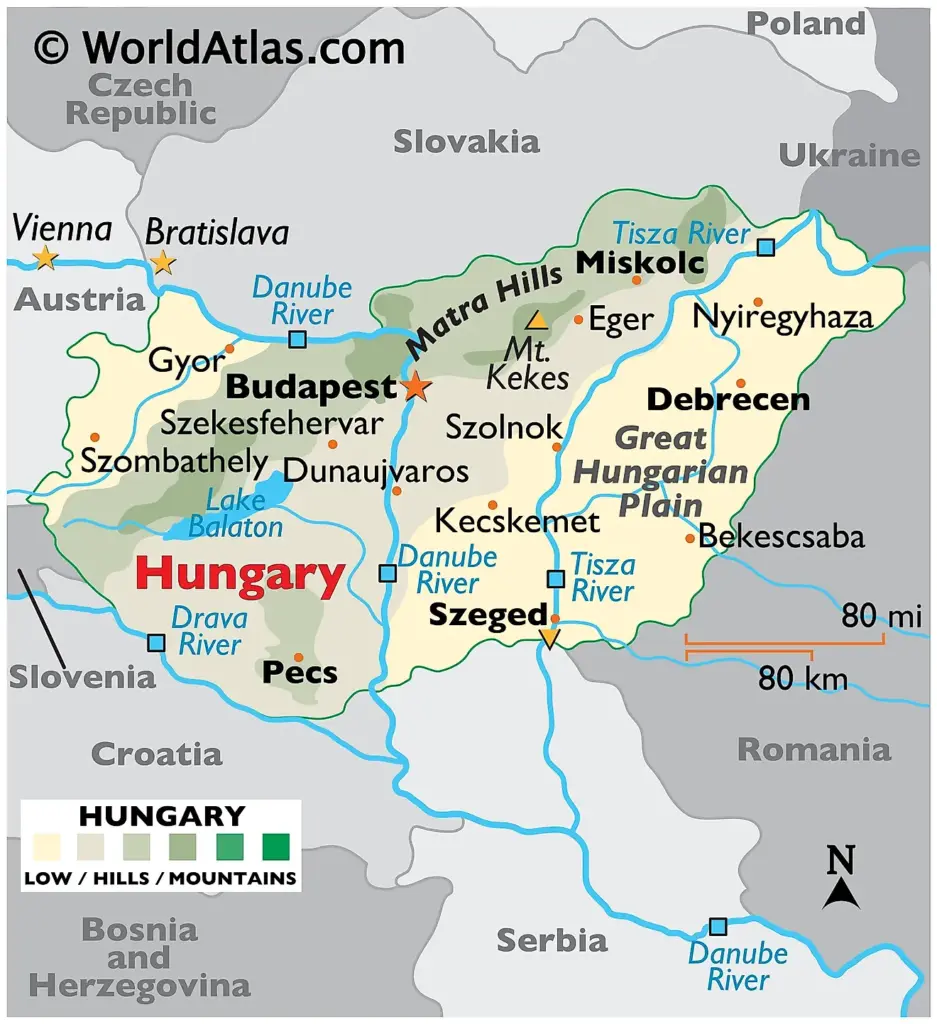
The establishment of the Central European Gaming Enforcement Network (CEGEN) in March 2025 marked a watershed moment for regional gambling regulation. This five-nation alliance, comprising Hungary, Slovakia, Czech Republic, Austria, and Slovenia, operates a shared database tracking over 18,000 suspected illegal gambling domains and their associated payment processors.
“The old model of isolated national enforcement was fundamentally broken,” explains Dr. Katalin Varga, Director of International Compliance at the Hungarian Gaming Authority. “Illegal operators would simply hop between jurisdictions faster than any single regulator could respond. Our networked approach eliminates those safe havens.”
The task force’s sophisticated monitoring systems have identified and disrupted 847 illegal gambling operations in 2026 alone, with combined seizures exceeding €23.7 million. More importantly, the collaborative approach has reduced the average time from detection to enforcement action from 127 days to just 18 days.
Financial Chokepoint Strategy: Following the Money Trail
Hungary’s most innovative regulatory weapon has been its comprehensive financial surveillance network. The country now requires all payment processors operating within its borders to implement real-time screening for gambling-related transactions, cross-referencing them against a continuously updated blacklist of unlicensed operators.
This financial chokepoint strategy has proven devastatingly effective. Payment processor compliance reports show a 89% reduction in successful fund transfers to unlicensed gambling sites since the system’s full implementation in September 2025. The approach targets both credit card processors and emerging cryptocurrency payment channels, which previously served as primary funding routes for illegal operations.
The system’s sophistication extends beyond simple blocking. Advanced algorithms analyze transaction patterns to identify potential money laundering schemes associated with illegal gambling operations. In 2026, these systems flagged over 3,200 suspicious transaction clusters, leading to 127 criminal investigations across multiple jurisdictions.
Technology Integration: AI-Powered Detection Systems
Hungary’s regulatory technology stack represents a quantum leap beyond traditional enforcement methods. The country’s new Artificial Intelligence Gambling Surveillance System (AIGSS) monitors internet traffic patterns, social media advertising, and financial flows in real-time to identify emerging illegal operations before they gain significant market traction.
The AI system processes approximately 2.8 terabytes of data daily, analyzing everything from domain registration patterns to cryptocurrency wallet movements. Its machine learning algorithms have achieved a 94% accuracy rate in predicting which newly registered gambling domains will attempt to serve Hungarian customers illegally.
Perhaps most impressively, the system’s predictive capabilities have enabled preemptive enforcement actions. Rather than waiting for consumer complaints or financial irregularities to surface, Hungarian regulators can now intervene during the early setup phases of illegal operations. This proactive approach has prevented an estimated €156 million in potential illegal gambling revenue from entering the market.
Cross-Border Intelligence Sharing: Breaking Down Information Silos
The success of Hungary’s regulatory cooperation extends far beyond its immediate neighbors. The country has established formal intelligence-sharing agreements with 23 jurisdictions worldwide, including major gambling hubs like Malta, Gibraltar, and the Isle of Man. These partnerships facilitate rapid information exchange about operator licensing status, compliance violations, and emerging regulatory threats.
“Information asymmetry was the illegal operators’ greatest advantage,” notes Professor András Kovács, a gambling law specialist at Eötvös Loránd University. “When a regulator in Malta discovers compliance issues with an operator, Hungarian authorities now know within hours rather than months. This coordination has fundamentally shifted the risk-reward calculation for would-be illegal operators.”
The intelligence sharing network operates through secure blockchain-based protocols, ensuring data integrity while maintaining necessary confidentiality. Monthly intelligence briefings now reach over 400 regulatory professionals across participating jurisdictions, creating an unprecedented level of global awareness about emerging illegal gambling trends.
Consumer Protection Through Regulatory Transparency
Hungary’s enhanced regulatory framework has delivered tangible benefits for gambling consumers beyond simply reducing illegal activity. The country’s new operator transparency requirements mandate real-time publication of licensing status, financial health indicators, and complaint resolution statistics for all legal gambling providers.
Consumer protection data shows remarkable improvements since these measures took effect. Gambling-related complaints to consumer protection agencies dropped by 43% in 2026, while successful dispute resolutions increased to 87% from the previous year’s 62%. The regulatory cooperation framework enables Hungarian authorities to leverage international precedents and best practices when resolving complex consumer disputes.
The transparency initiatives have also enhanced player education efforts. Hungary’s “Know Your Operator” campaign, supported by detailed regulatory databases, has reached over 1.2 million consumers through targeted digital outreach. Exit surveys indicate that 78% of participants now actively verify operator licensing status before registering with new gambling platforms.
Economic Impact: Channeling Revenue to Legal Markets
The regulatory cooperation success has generated substantial economic benefits for Hungary’s legal gambling sector. Licensed operators report a combined revenue increase of 34% in 2026, with much of this growth attributed to players migrating from illegal platforms. The Hungarian Treasury has collected an additional €89 million in gambling taxes compared to 2025 projections.
This revenue channeling effect extends beyond immediate tax benefits. Legal operators are investing heavily in responsible gambling technologies, customer service improvements, and product innovation to capture and retain the newly available market share. Employment in Hungary’s legal gambling sector has grown by 12% over the past 18 months, creating approximately 2,300 new jobs.
The success has also attracted international investment interest. Three major European gambling operators have announced plans to establish Hungarian operations in 2027, citing the country’s robust regulatory environment and effective illegal operator suppression as key factors in their decision-making process.
Future Challenges: Maintaining Regulatory Leadership
Despite its remarkable success, Hungary’s regulatory cooperation model faces evolving challenges that will test its long-term effectiveness. The emergence of decentralized gambling platforms operating on blockchain networks presents new technical and jurisdictional complexities that traditional enforcement methods struggle to address.
Cryptocurrency-based gambling operations have shown particular resilience to conventional regulatory pressure. While Hungary’s financial surveillance systems have adapted to monitor major cryptocurrency exchanges, the proliferation of privacy coins and decentralized finance protocols creates ongoing detection challenges. Regulatory authorities estimate that approximately 15% of remaining illegal gambling activity now operates through these advanced technological channels.
The regulatory cooperation framework must also adapt to changing geopolitical realities. Brexit’s impact on information sharing with UK-based operators, ongoing negotiations with non-EU jurisdictions, and potential changes in European data protection regulations all pose strategic challenges for maintaining the current level of international coordination. Hungarian regulators are actively developing contingency protocols to preserve enforcement effectiveness regardless of these external factors.