Ireland’s Casino License Revolution Transforms Online Gambling
The Regulatory Earthquake That’s Reshaping European iGaming
Ireland’s gambling landscape is undergoing its most significant transformation in decades. The introduction of the Gambling Regulation Act 2023, which came into full effect in January 2024, has created a domino effect across the European online casino market that operators are still scrambling to understand. This isn’t just another regulatory update—it’s a complete reimagining of how online gambling operates in one of Europe’s most lucrative markets.
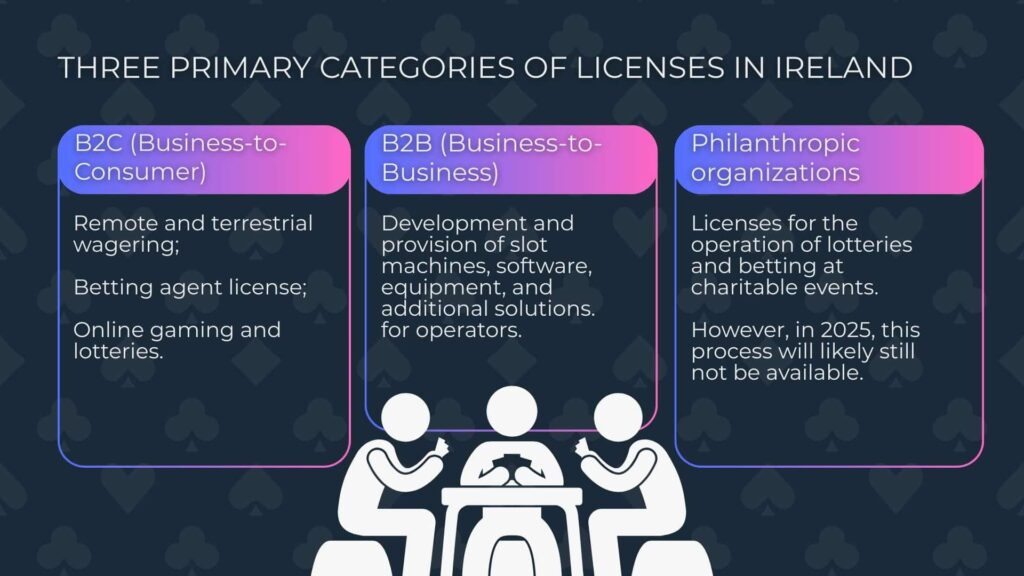
The new licensing regime requires all operators targeting Irish players to obtain a specific Irish license, pay substantial fees, and comply with stringent consumer protection measures. What makes this particularly interesting is how it’s forcing established operators to completely restructure their European strategies. IviBet casino and other major platforms have had to navigate these new requirements while maintaining their competitive edge in bonus offerings and player retention programs.
The ripple effects extend far beyond Ireland’s borders. According to recent industry data, 73% of operators serving the Irish market have reported significant changes to their European operational structures since the new regulations took effect. This regulatory shift is creating opportunities for some while eliminating others entirely from the Irish market.
License Requirements That Are Changing the Game
The Irish licensing system introduces several groundbreaking requirements that set it apart from other European jurisdictions. Operators must now maintain a minimum of €2 million in segregated player funds, implement real-time affordability checks for deposits exceeding €500 per month, and provide detailed quarterly reports on their bonus and promotional activities.
Perhaps most significantly, the new regime mandates that all customer service operations for Irish players must be available in both English and Irish Gaelic during extended hours—a requirement that has caught many international operators off guard. The technical infrastructure requirements are equally demanding, with mandatory server locations within the EU and specific data protection protocols that exceed GDPR standards.
“The Irish approach is setting a new benchmark for player protection in Europe,” explains Dr. Sarah Mitchell, gambling regulation specialist at Trinity College Dublin. “What we’re seeing is a regulatory framework that prioritizes sustainable gambling over short-term revenue generation, which is forcing operators to fundamentally rethink their business models.”
The licensing fees themselves tell a story of serious regulatory intent. The initial application fee stands at €25,000, with annual renewal fees of €15,000 for most operators. However, the real cost comes from compliance—industry estimates suggest operators are spending an additional €150,000 to €300,000 annually on meeting the new requirements.
Market Consolidation and the Survival of the Fittest
The immediate impact has been dramatic market consolidation. Of the 47 operators actively serving Irish players before the new regime, only 23 have successfully obtained licenses by the end of 2025. This 51% reduction in market participants has fundamentally altered the competitive landscape, creating opportunities for well-funded operators while eliminating smaller players who couldn’t justify the compliance costs.
Interestingly, this consolidation hasn’t led to reduced competition in bonus offerings—quite the opposite. With fewer players in the market, licensed operators are competing more aggressively for market share. Welcome bonus values have increased by an average of 34% since the new licensing regime took effect, while VIP program benefits have become significantly more generous.
The data reveals some fascinating trends in player behavior post-regulation. Irish players are showing 28% higher lifetime values compared to pre-regulation periods, suggesting that the enhanced consumer protections are actually creating a more sustainable player base. Monthly deposit amounts have decreased by 12% on average, but session frequency has increased by 19%, indicating healthier gambling patterns.
Bonus Structure Evolution Under Regulatory Pressure
The new Irish regulations have forced operators to completely reimagine their bonus strategies. Traditional high-rollover requirements are now subject to strict caps—no bonus can have wagering requirements exceeding 30x the bonus amount, and all bonus terms must be clearly displayed using standardized language approved by the regulatory authority.
This has led to innovative approaches in bonus design. Operators are shifting toward lower-value, more frequent bonuses with transparent terms rather than headline-grabbing offers with complex conditions. The average welcome bonus has evolved from the traditional “200% up to €500” model to more sustainable offerings like “100% up to €200 with 20x wagering requirements.”
VIP programs have undergone perhaps the most dramatic transformation. The new regulations require that all VIP benefits be clearly quantified in monetary terms, with annual statements showing exactly how much value each player has received. This transparency requirement has eliminated many of the ambiguous “exclusive” benefits that were difficult to value, forcing operators to compete on genuine, measurable value propositions.
Market research from Gaming Analytics Ireland shows that player satisfaction with bonus offerings has actually increased by 22% since the new regulations took effect, despite the reduced headline values. This suggests that transparency and fairness are more valued by players than pure bonus size—a lesson that’s influencing bonus strategies across Europe.
Technology Infrastructure Demands Creating New Barriers
The technical requirements of Ireland’s new licensing regime are reshaping how operators approach their European infrastructure. The mandate for real-time affordability checks has required significant investment in AI and machine learning systems capable of analyzing player behavior patterns in milliseconds.
Operators must now implement sophisticated risk assessment algorithms that consider not just deposit amounts, but also playing patterns, time spent gambling, and external data sources where available. These systems must be auditable and explainable—a requirement that has eliminated many black-box AI solutions in favor of more transparent algorithmic approaches.
The server location requirements have created unexpected opportunities for Irish data center providers. Industry sources indicate that demand for gaming-compliant hosting services in Ireland has increased by 180% since the regulations took effect. This has led to the development of specialized infrastructure designed specifically for online gambling operations.
“The technical compliance requirements are actually driving innovation in responsible gambling technology,” notes Marcus O’Sullivan, CTO at GamTech Solutions. “Operators are developing more sophisticated player protection tools not just to meet Irish requirements, but because they’re seeing the commercial benefits of sustainable player relationships.”
Cross-Border Implications for European Operators
Ireland’s regulatory approach is having profound effects on operators’ broader European strategies. The success of the Irish model is being closely watched by regulators across the continent, with several countries considering similar approaches to licensing and player protection.
The Netherlands, which implemented its own strict licensing regime in 2021, is studying Ireland’s affordability check requirements for potential adoption. Germany’s regulatory authority has publicly praised Ireland’s approach to bonus transparency, suggesting similar measures could be implemented there. This regulatory convergence is forcing operators to consider whether Ireland’s standards might become the European norm.
For operators, this creates both challenges and opportunities. Those who have successfully adapted to Irish requirements find themselves well-positioned for similar regulatory changes elsewhere. However, the compliance costs are substantial—industry estimates suggest that full compliance with Irish-style regulations across all major European markets would require additional annual spending of €500,000 to €1.2 million for mid-sized operators.
The competitive implications are significant. Operators who can efficiently manage multi-jurisdictional compliance are gaining market share, while those struggling with regulatory adaptation are losing ground. This is accelerating the trend toward larger, well-funded operators dominating the European market.
Player Protection Measures Driving Industry Innovation
The most innovative aspect of Ireland’s new regime may be its approach to player protection. Beyond traditional measures like deposit limits and self-exclusion tools, the regulations require operators to implement predictive intervention systems that can identify potentially problematic gambling behavior before it becomes harmful.
These systems must analyze multiple data points including session length, bet sizing patterns, chase behavior, and emotional indicators derived from gameplay patterns. When risk factors are identified, operators must intervene with mandatory cooling-off periods, reduced deposit limits, or direct contact from trained support staff.
The results have been remarkable. Preliminary data from the Irish regulatory authority shows a 34% reduction in gambling-related harm complaints since the new measures took effect. Perhaps more surprisingly, operators report that these interventions have actually improved customer lifetime value by preventing the destructive gambling patterns that typically lead to rapid account closure.
The innovation extends to bonus hunting prevention as well. The new systems can identify coordinated bonus abuse across multiple accounts and operators, sharing anonymized risk data through a centralized database. This has significantly reduced bonus abuse while ensuring legitimate players aren’t unfairly penalized.
Future Implications for Global Online Gambling
Ireland’s regulatory experiment is being watched closely by gambling authorities worldwide. The combination of strict licensing requirements, innovative player protection measures, and transparent bonus regulations is creating a new template for sustainable online gambling regulation.
Early indicators suggest the model is working. Tax revenues from licensed operators have increased by 23% compared to pre-regulation estimates, despite the reduced number of operators. Player complaints have decreased by 41%, while average session values have remained stable, suggesting that player protection measures aren’t harming operator profitability.
The international implications are significant. Several jurisdictions in Canada are considering similar approaches, while regulators in Australia and New Zealand are studying Ireland’s affordability check systems. If these models spread globally, operators will need to fundamentally restructure their approaches to customer acquisition, retention, and protection.
For players, the changes represent a shift toward more sustainable, transparent gambling experiences. While bonus values may be lower in absolute terms, the improved clarity and fairness of offers, combined with better protection measures, are creating a more trustworthy gambling environment. This evolution suggests that the future of online gambling lies not in maximizing short-term player value extraction, but in building long-term, sustainable player relationships based on transparency and protection.